


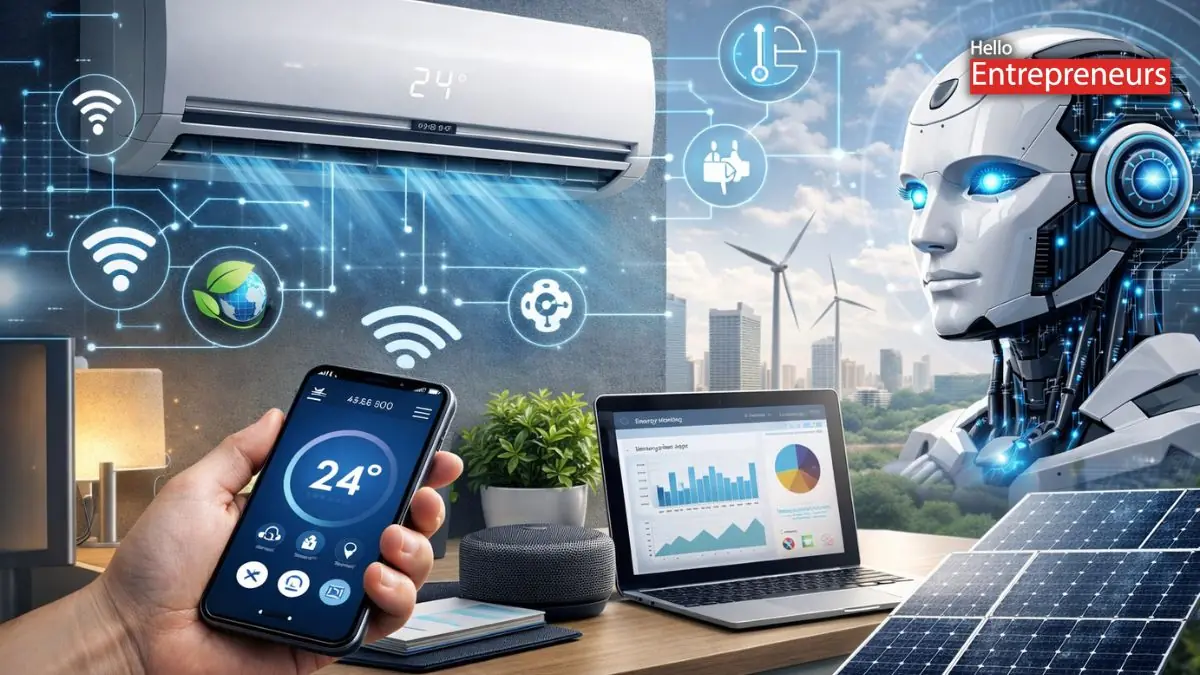
With rising temperatures and increasing electricity costs, air conditioners have become more than just a luxury—they are now an essential part of modern homes and workplaces. However, the way air conditioners function today is very different from how they operated a decade ago. The industry has seen a significant shift toward energy efficiency and smart technology, making modern air conditioning systems more intelligent, convenient, and environmentally responsible.
Earlier, traditional air conditioners worked on a simple principle: the compressor would switch on and off repeatedly to maintain the desired temperature. While effective, this method consumed a considerable amount of electricity and often caused fluctuations in cooling. Today, newer systems are designed to address these challenges.
One of the biggest changes has been the introduction of inverter technology. In inverter air conditioners, the compressor does not constantly switch on and off. Instead, it adjusts its speed depending on the cooling requirement of the room. This allows the system to maintain a stable temperature while consuming significantly less power. For consumers, this translates into better comfort and noticeable savings on electricity bills.
Another major development is the integration of smart features in air conditioners. Many modern AC units can now be connected to smartphones or smart home devices, allowing users to control temperature settings even when they are not physically present in the room. From scheduling cooling cycles to monitoring energy consumption, these smart capabilities offer a level of convenience that was unimaginable just a few years ago.
Manufacturers are also incorporating intelligent sensors and AI-based controls that can detect room occupancy, humidity levels, and outdoor temperature. Based on this information, the system automatically adjusts its performance to ensure optimal cooling without unnecessary energy usage. These technologies are designed not only to improve user comfort but also to make cooling more efficient.
Environmental considerations are also playing a crucial role in shaping the future of air conditioning. Newer air conditioners use eco-friendly refrigerants that have a lower environmental impact compared to older cooling gases. Along with improved coil designs and better airflow management, these changes contribute to both energy efficiency and sustainability.
From an industry perspective, the demand for energy-efficient appliances is steadily growing. Consumers today are more aware of long-term operating costs and environmental impact. As a result, brands are focusing on developing products that combine performance with efficiency.
For retailers and industry professionals, this shift presents a valuable opportunity. By educating customers about energy-efficient technologies and smart features, we can help them make better purchasing decisions that benefit both their comfort and their electricity bills.
Air conditioning technology will continue to evolve as innovation and sustainability become central to product development. The future of cooling lies in systems that are not only powerful but also intelligent, energy-efficient, and environmentally conscious.
As temperatures rise and technology advances, modern air conditioners are becoming smarter partners in creating comfortable and efficient living spaces.
<p>The post How Modern Air Conditioners Are Becoming More Energy-Efficient and Smart first appeared on Hello Entrepreneurs.</p>

Comments are closed.