


For musicians, AI can remove friction, reduce costs, and boost scale
AI remains a tool for some, a cheatcode for others. Students and aspiring creators have long used AI tools as a shortcut to get quick, agreeable results, many of which depend on previously fed creative data that the chatbot mixes and spits out.
Those in the creative industries, many of whom have spent years fine tuning their craft, have been up in arms against such tools, alleging that their work is being misused without permission.
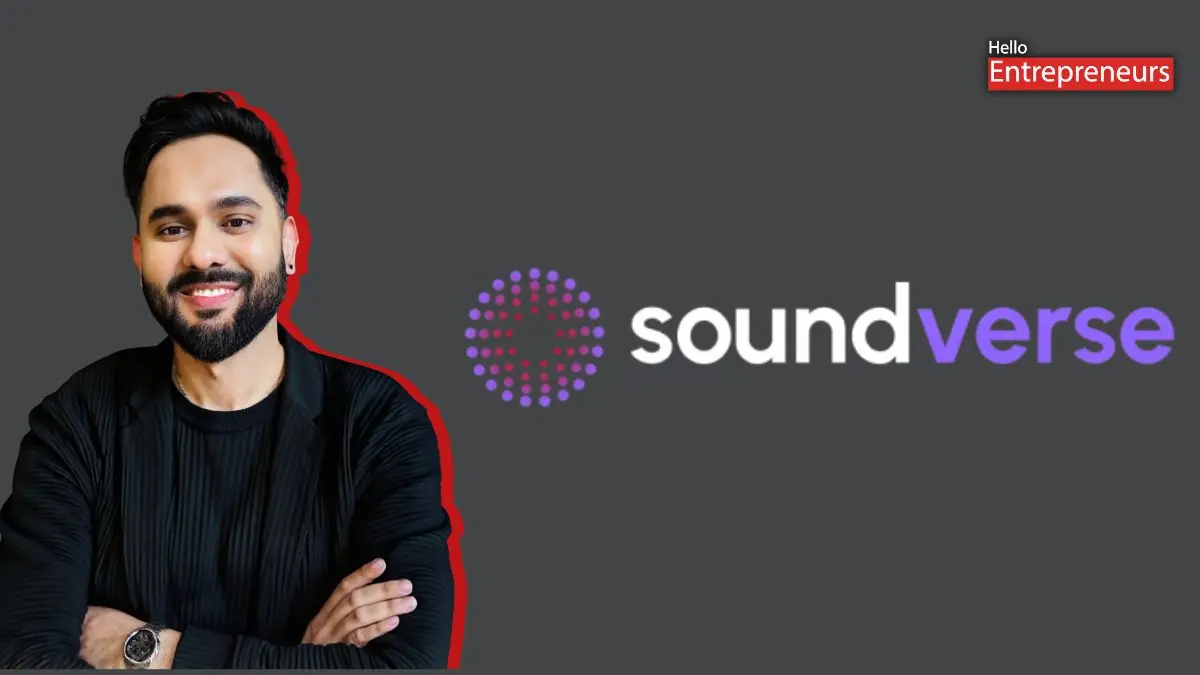
Sourabh Pateriya, Founder and CEO of Soundverse AI, agrees.
“Fairness starts with agency and consent. Artists shouldn’t wake up one day to discover their life’s work has been absorbed into a model without permission, credit, or context,”
As a company that sits delicately on the crossroads between a tool-based solution and a cheatcode to generate musical tunes through AI, Sourabh has had to dispel fears regarding the utility of Soundverse. The solution? The Fair AI Ethical Framework for Music.
“Fair AI means creators understand how systems are trained, how inspiration flows through models, and how value is created, attributed, and shared.”
“This is incredibly hard to uphold in practice. The fastest way to build AI today is to scrape everything, optimise for output quality, and ask questions later. We’ve consciously rejected that path,” he adds.
A collaborator for musicians
For Sourabh, the intention was to create a collaborative tool for musicians through AI. This could mean acting as a co-producer, assisting in creating melodic structures, rhythmic ideas or chord progressions, while the musician remains in control of the updates and edits.
“Historically, only top-tier artists had access to teams, multiple producers, arrangers, engineers, all aligned around a single creative vision. AI changes that. Every creator now effectively has hundreds of producers working with them, instantly and on demand. Not to replace their voice, but to help them explore it more fully,” Sourabh explains.
And producers are now taking notice. While exploring the AI assistant, beginners are using Soundverse to learn musical structure, not memorising theory. Experienced producers, who’ve got over the learning curve, are using it to sketch melodic variations in minutes, saving themselves time and effort.
Standing Up, Scaling Up across geographies
Musicians across the world have taken notice. Many have been using Soundverse in ways they never expected, especially as they’ve used its various features to simplify manual processes that weren’t possible earlier.
“They weren’t asking how to use the tool; they were asking what else they could do with it,” Sourabh says, as he’s experienced radically different uses for his AI tool, from hip hop producers in the US to devotional music creators in India.
They were bending it, remixing workflows, collaborating across borders. When a product stops needing heavy localisation, onboarding videos, or cultural explanations, and still feels intuitive, you realise you’ve tapped into something universal,” he explains.
Hopes and Worries for the future
Depending on the gaps in the market, AI tools are being developed at breakneck speeds to meet emerging requirements. In the race to grab market share, developers are taking shortcuts that infringe on years of work and innovations. Regulators across markets, meanwhile, tend to take knee-jerk reactions without analysing the impact on all stakeholders. That concern has been affecting incumbent players, including Soundverse AI.
“Regulation is necessary, but it needs to focus on transparency, consent, and accountability, not blanket restrictions that only large players can afford to comply with.
The danger isn’t innovation moving fast; it’s innovation moving fast without responsibility. But the solution isn’t to slow everything down, it’s to design smart guardrails that protect creators while still allowing experimentation. Blunt instruments rarely lead to good outcomes,” Sourabh explains.
The future of Music: 5 years down the line
Sourabh created Soundverse as a solution to a challenge he faced as a novice music producer- a lack of guidance in the form of mentors. Soundverse became his solution to offer an easy-to-operate and learn tool that combined creativity with an engineer-first mindset.
“In 2018, I experimented with building an early version of Soundverse using AR. We were extremely early to the market, but the insight was important: people wanted more natural ways to interact with music creation tools. The technology wasn’t ready yet, but the desire was clearly there.
By 2022, it became obvious that AI would fundamentally power the next generation of creative tools. Not as a gimmick, but as a new interface layer, one that could translate intent, emotion, and language directly into sound,” he explains.
Now that AI-based tools have become the norm, the room for creativity has become democratised, with power no longer within a small group of musicians who had all the resources to succeed. Gifted artistes now create unique rhythms to please algorithms, which reward genuine creativity over talent. Sourabh aims to help these gifted artistes through Soundverse.
“If Soundverse succeeds, creativity won’t be constrained by access to expensive tools, insider networks, or industry politics. Someone with a phone, an idea, and something real to say should be able to create music that stands next to chart-toppers, not by luck, but because the tools finally match human imagination and intent.
Equally important, artists should feel empowered, not extracted from. Technology should expand creative possibilities, ownership, and revenue, not quietly siphon value away from the people who create culture. My hope is that in five years, we look back and see this moment as the point where music stopped being optimised for predictability and started being optimised for truth again,” he signs off.
<p>The post How Sourabh Pateriya dispelled fears, boosted creative outcomes through Soundverse AI first appeared on Hello Entrepreneurs.</p>

Comments are closed.